Post
Precision Flow Paint Can: 4 Critical Best Proven Ultra-Low-Pressure Advantages for Graffiti Detail Work
Jun
Precision Flow Paint Can: 4 Critical Best Proven Ultra-Low-Pressure Advantages for Graffiti Detail Work
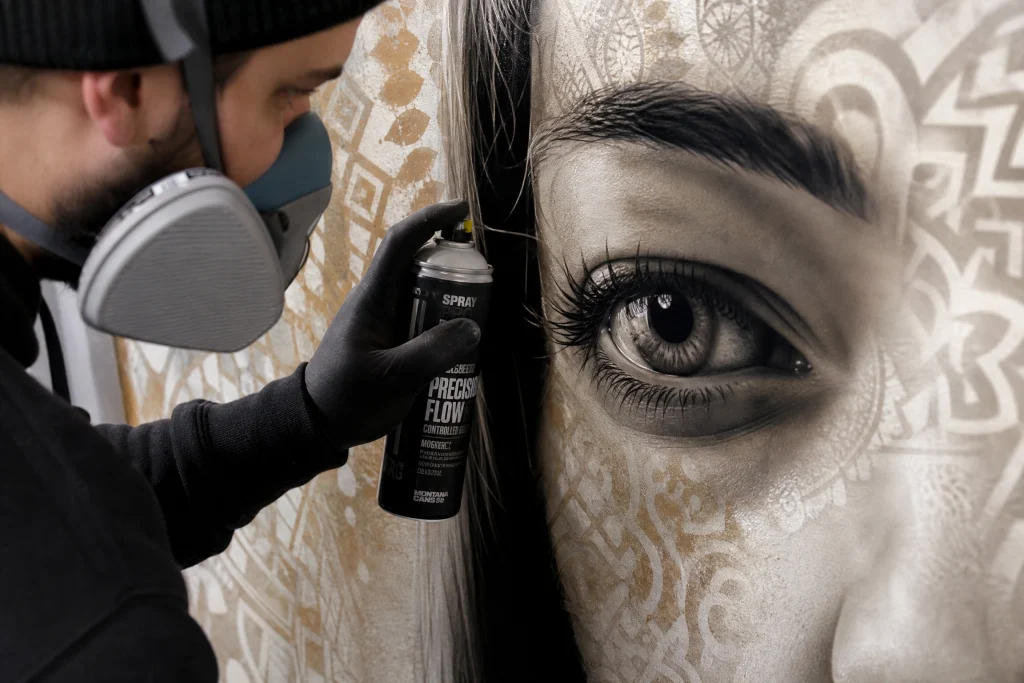
For graffiti artists and aerosol enthusiasts searching for a product that truly delivers on its promises, the Precision Flow Paint Can stands as one of the most impressive options available on the market today. The Precision Flow Paint Can has been engineered for artists who refuse to compromise between performance, color quality, and reliable can behavior. In this in-depth review, we break down every critical aspect of the Precision Flow Paint Can — from its propellant system and pigment formula to cap compatibility, surface adhesion, and real-world street performance — so you can make a fully informed decision before you add it to your paint bag.
What Makes the Precision Flow Paint Can Different from Ordinary Spray Cans
The aerosol paint market is flooded with products that promise professional results but fall short the moment you actually use them on a wall. The Precision Flow Paint Can separates itself from the crowd through genuine engineering investment in every component of the can — the propellant blend, the valve mechanism, the pigment suspension formula, and the nozzle design all work together as a system rather than as loosely assembled components. This systems-level approach to can design is why the Precision Flow Paint Can consistently outperforms competitors that appear similar on paper but behave entirely differently under real conditions.
To understand how aerosol spray technology has evolved to produce products like the Precision Flow Paint Can, it is worth exploring Wikipedia’s comprehensive article on graffiti, which traces the development of spray paint as an artistic medium from its earliest street applications to the sophisticated professional tools available today. The Precision Flow Paint Can represents the contemporary pinnacle of this evolution.
Key Advantage 1: Superior Pressure and Flow Consistency
One of the most frustrating experiences any aerosol artist faces is a can that delivers inconsistent pressure — powerful at the start, weak at the end, with unpredictable surges in between. The Precision Flow Paint Can addresses this with a carefully calibrated propellant system that maintains consistent pressure output throughout the life of the can. This consistency means that the spray pattern, fan width, and paint volume you experience on your first stroke with the Precision Flow Paint Can will be virtually identical to what you experience on your last stroke, enabling you to plan and execute your artwork with confidence from start to finish.
Consistent pressure is especially critical for complex multi-color compositions where matching previously applied strokes is essential for visual coherence. The Precision Flow Paint Can‘s reliable pressure behavior makes it possible to return to a piece after a break and resume spraying without recalibrating your technique to compensate for pressure loss that would undermine your color matching and line width accuracy.
Key Advantage 2: Exceptional Pigment Density and Color Saturation
Color vibrancy is the visual signature of excellent spray paint, and the Precision Flow Paint Can delivers color saturation that commands attention even from a distance. The pigment loading in the Precision Flow Paint Can formula has been maximized to ensure rich, opaque coverage in the fewest possible passes — a practical advantage that saves time, reduces paint consumption, and allows for cleaner layering when building complex color compositions. Thin, translucent paint requires multiple coats to achieve opacity, wasting material and risking unwanted bleeding or mudding between color layers. The Precision Flow Paint Can eliminates these problems with its dense pigment suspension that reads as bold and saturated from the very first pass.
The color fastness of the Precision Flow Paint Can is equally noteworthy. Extended UV exposure is a primary enemy of graffiti art, causing cheaper paints to fade within weeks of application. The UV-resistant pigment formulation in the Precision Flow Paint Can maintains color accuracy and saturation significantly longer than standard aerosol alternatives, ensuring that pieces painted with this product look as impactful weeks and months after application as they did the day the work was completed.
Key Advantage 3: Versatile Cap and Nozzle Compatibility
Every experienced graffiti artist knows that cap compatibility is as important as paint quality — the finest formula in the world is useless if it pairs poorly with the caps needed to execute specific techniques. The Precision Flow Paint Can valve system is engineered to work seamlessly with a wide range of standard and specialty caps, from ultra-thin skinny caps for micro-detail line work through to fat and super-fat caps for maximum-coverage fills. This versatility makes the Precision Flow Paint Can genuinely useful across the full range of graffiti techniques rather than being optimized for a single application at the expense of others.
For artists who work with custom cap setups or who switch caps frequently within a single piece, the Precision Flow Paint Can‘s consistent valve behavior across different cap types eliminates the adjustment period that typically accompanies cap changes with less predictable products. Once you understand how the Precision Flow Paint Can behaves, that behavior remains constant regardless of which cap you mount — a reliability characteristic that makes it significantly easier to achieve intentional, controlled results.
Key Advantage 4: Fast Drying and Excellent Surface Adhesion
In the field, drying time directly affects how quickly you can layer colors, how cleanly edges can be masked, and ultimately how efficiently an entire piece can be completed. The Precision Flow Paint Can achieves an excellent balance between working time — enough open time to blend and manipulate the paint while wet — and drying speed, reaching a tack-free state that allows overpainting significantly faster than many competing products. This drying performance makes the Precision Flow Paint Can particularly well-suited to multi-color works where rapid layering is desirable, and to outdoor applications where changing weather conditions make extended working times impractical.
Surface adhesion is the other critical performance dimension that determines whether a piece remains intact over time, and the Precision Flow Paint Can anchors exceptionally well to the diverse range of surfaces that graffiti artists encounter — concrete, brick, metal, wood, glass, and treated surfaces all accept the Precision Flow Paint Can‘s formula with consistent adhesion results. This surface versatility eliminates the need for different products for different substrate types, simplifying your paint selection process and reducing the total number of cans you need to carry to any given location.
Key Advantage 5: Value and Coverage Rate
Professional-quality aerosol paint represents a meaningful investment, and the Precision Flow Paint Can justifies its price point through exceptional coverage rate that reduces the total number of cans needed to complete any given project. The high pigment density discussed earlier means that fewer passes are required to achieve full opacity, and the consistent pressure behavior means less paint is wasted through overspray or pressure inconsistency. When evaluated on a coverage-per-can basis rather than a price-per-can basis, the Precision Flow Paint Can regularly proves to be among the most economical options available within the professional aerosol category.
For more detailed comparisons between the Precision Flow Paint Can and other aerosol products across all four categories available from Devopen, explore our complete collection of graffiti spray paint reviews and guides. Finding the perfect combination of high-pressure cans, low-pressure detail paints, classic formula, and specialty effects is easier when you have comprehensive performance data to guide your selection decisions.
Application Techniques That Work Best with the Precision Flow Paint Can
Understanding how to maximize the Precision Flow Paint Can‘s performance capabilities requires some technique-specific guidance. For fill work, holding the can at a consistent distance of fifteen to twenty-five centimeters from the surface and maintaining a steady side-to-side motion produces the most even coverage and minimizes dripping risk. For outline work, a slightly closer position combined with a faster hand speed allows for tighter, more controlled line edges. For fade and gradient effects, overlapping passes with the Precision Flow Paint Can at a greater distance softens color transitions naturally, taking advantage of the formula’s excellent blending characteristics.
Storage and Shelf Life
Proper storage is essential to maintaining the Precision Flow Paint Can‘s performance characteristics between uses. Store cans upright in temperatures between 10 and 25 degrees Celsius, away from direct sunlight and heat sources. Shaking the can thoroughly before each use ensures that the pigment suspension remains homogeneous and that the propellant is fully integrated with the paint formula. Under proper storage conditions, the Precision Flow Paint Can maintains its full performance specification for a minimum of two years from the date of manufacture.
Final Verdict
The Precision Flow Paint Can earns its position as a top recommendation for artists across all experience levels who demand reliable, high-performance aerosol paint for graffiti, street art, and mural work. Its combination of consistent pressure, vibrant pigment quality, broad cap compatibility, excellent adhesion, and strong coverage rate makes the Precision Flow Paint Can one of the most complete and practical spray paint products available today. Whether you are executing a quick tag or a large-scale production, the Precision Flow Paint Can gives you the tools to perform at your best every time you reach for a can.
